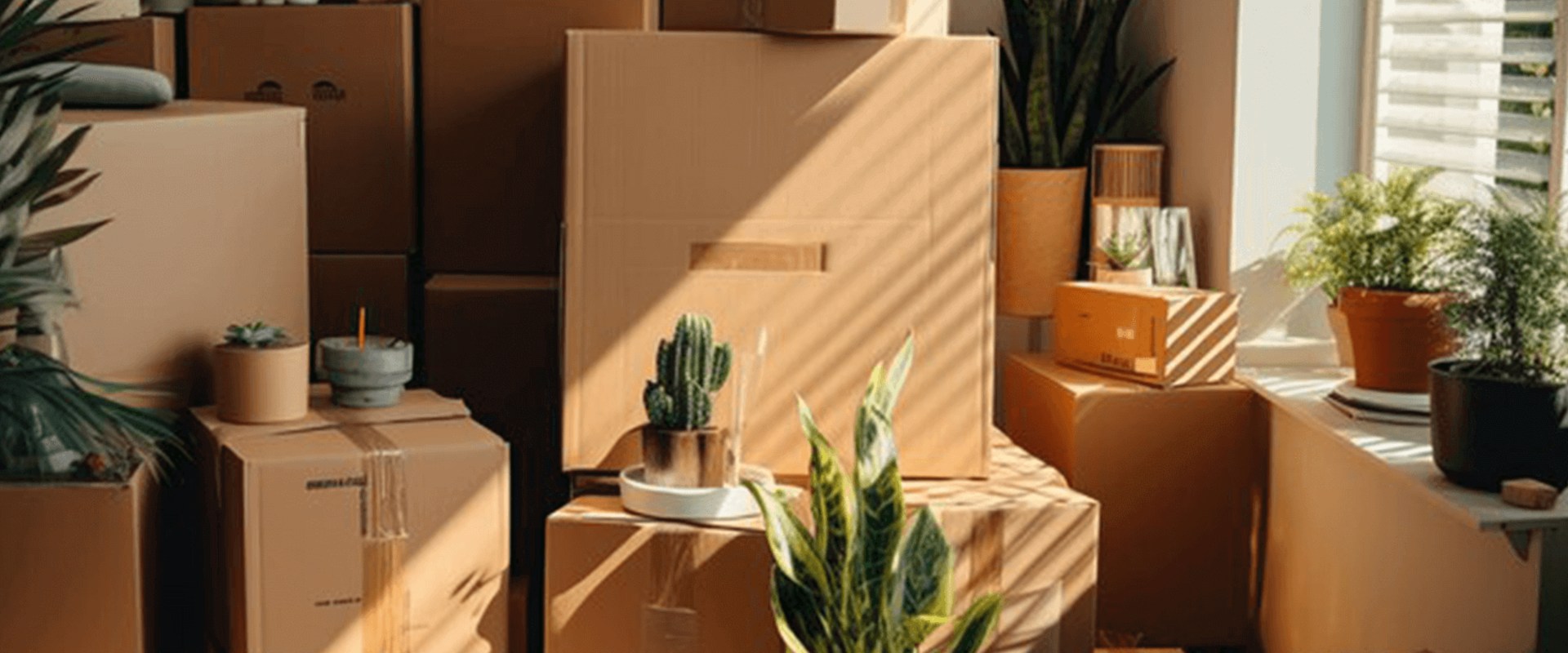
Moving a house is a complex yet fascinating process that involves relocating an entire structure from one site to another. This might sound daunting, but there are various reasons why someone might consider moving a house. Whether it’s due to land development, personal preference, or the need for a more suitable location, understanding the basics of house moving is essential for anyone contemplating this significant undertaking. The process of moving a house quickly requires careful planning and execution. It typically begins with assessing the feasibility of the move, which includes evaluating the structural integrity of the house, obtaining necessary permits, and coordinating with local authorities.
Once these initial steps are completed, the actual moving process can commence, often involving specialized equipment and skilled professionals who ensure that the house is safely transported to its new location. In addition to logistical considerations, it’s important to factor in costs and timelines. The expenses associated with house moving basics can vary widely depending on distance, size of the home, and specific requirements of the move. Understanding these elements not only helps in budgeting but also in setting realistic expectations for how long the entire process will take. As we delve deeper into this topic, we will explore various strategies and tips that can help streamline the house moving experience.
Assessing Your Options for Moving a House
When considering the quickest way to move a house, it’s essential to evaluate the various options for moving a house.Each method has its own advantages and challenges, and understanding these can help you make an informed decision. Here are some common house relocation methods:
- House Lifting: This method involves raising the entire structure and placing it on a new foundation. It’s often used for homes that need to be moved due to zoning changes or environmental concerns.
- House Transport: In this technique, the house is cut into sections, lifted onto trucks, and transported to the new location. This is typically faster but requires careful planning and permits.
- Modular Homes: If you’re considering building a new home, modular homes are prefabricated in sections and can be quickly assembled on-site. This method is efficient and often less expensive than traditional construction.
- Roll-On Method: For smaller structures, the roll-on method uses specialized equipment to roll the house onto a flatbed truck.
This is one of the quickest methods but is limited to certain types of homes.
- The distance of the move
- The size and type of your home
- Your budget
- The time frame for relocation
Hiring Professional Movers vs. DIY Moving
When it comes to moving a house, one of the first decisions you'll face is whether to hire professional movers or to take on the challenge yourself with a DIY house moving approach. Each option has its own set of advantages and disadvantages that can significantly impact your overall experience and costs.Pros of Hiring Professional Movers
- Expertise and Experience: Professional movers have the training and experience necessary to handle all aspects of the move efficiently.
They know how to pack, load, and transport your belongings safely.
- Time-Saving: Hiring professionals can save you a considerable amount of time. They can often complete the move in a fraction of the time it would take an untrained individual.
- Insurance and Liability: Most professional moving companies offer insurance options that protect your belongings during transit, providing peace of mind.
Cons of Hiring Professional Movers
- Cost: The most significant drawback is the expense. Hiring professional movers can be costly, especially for long-distance moves.
- Lack of Control: When you hire professionals, you may have less control over how your belongings are handled and transported.
Pros of DIY Moving
- Cost-Effective: Moving yourself can save you money, as you won’t have to pay for labor costs associated with hiring movers.
- Full Control: You have complete control over every aspect of the move, from packing to loading and unloading.
Cons of DIY Moving
- Physical Labor: Moving a house is physically demanding. It requires significant effort and can lead to injuries if not done carefully.
- Time-Consuming: A DIY move can take much longer than anticipated, especially if you’re not experienced in logistics.
If you have the resources and prefer a hassle-free experience, hiring professionals may be the best choice. However, if you're looking to save money and are willing to put in the effort, a DIY move could be a rewarding challenge.
Preparing Your House for a Move
Preparing your house for a move is a crucial step that can significantly impact the efficiency and success of the entire process. To ensure a smooth transition, follow these essential steps:- Conduct a Thorough Inspection: Before moving, inspect your house for any structural issues or repairs that need to be addressed. This includes checking the foundation, roof, and plumbing systems.
Identifying these problems early can save you time and money.
- Obtain Necessary Permits: Depending on your location, you may need to secure permits for moving your house. Check with local authorities to understand the regulations and obtain any required documentation.
- Hire Professionals: Engaging a professional moving company that specializes in house relocations is highly recommended. They have the expertise and equipment necessary to handle the logistics of moving a house safely.
- Create a Moving Checklist: A comprehensive house moving checklist can help you stay organized. Include tasks such as notifying utility companies, changing your address, and packing your belongings.
This checklist will serve as a roadmap to ensure nothing is overlooked.
- Plan for Logistics: Consider the route your house will take during the move. Assess any potential obstacles such as low bridges or narrow streets that could complicate the process. Planning ahead can help avoid delays on moving day.
The Fastest Techniques for Moving a House
When it comes to relocating a house quickly, employing the right techniques can make all the difference.Here are some of the fastest ways to move a house efficiently:
- Pre-pack and Organize: Start by decluttering your home. The less you have to move, the quicker the process will be. Use clear labeling on boxes to streamline unpacking.
- Hire Professional Movers: Engaging a reputable moving company that specializes in expedited services can significantly reduce your moving time. They have the experience and equipment to handle large items swiftly.
- Utilize Moving Containers: Consider using portable storage containers.
These can be delivered to your current location, allowing you to pack at your own pace while also providing a quick transport solution.
- Schedule Wisely: Plan your move during off-peak times. Weekdays or mid-month are often less busy for moving companies, which can lead to faster service.
- Use Technology: Leverage apps and online tools for inventory management and scheduling. This can help keep everything organized and on track.
- Disassemble Furniture: Take apart larger pieces of furniture before the move. This not only makes them easier to transport but also saves space in the moving truck.
- Pack an Essentials Box: Prepare a box with all the essentials you’ll need immediately upon arrival at your new home.
This minimizes downtime as you settle in.
- Communicate with Your Movers: Clear communication with your moving team about timelines and expectations can help ensure that everything runs smoothly.
Common Challenges and How to Overcome Them
Moving a house can be an exhilarating yet daunting task, often fraught with various challenges. Understanding these potential obstacles and having strategies to overcome them can make the process smoother.Logistical Issues
One of the most common challenges in moving a house is managing logistics. This includes coordinating the timing of the move, hiring the right moving company, and ensuring that all necessary permits are obtained. To tackle these issues:- Create a detailed timeline that outlines each step of the moving process, from packing to transportation.
- Research and hire reputable movers well in advance to avoid last-minute complications.
- Check local regulations regarding permits for moving houses, especially if you are relocating to a new area.
Emotional Stress
The emotional toll of moving can also be significant.Leaving behind a familiar environment can lead to feelings of anxiety and sadness. To mitigate this:
- Stay organized by keeping a checklist of tasks to complete, which can help reduce feelings of overwhelm.
- Involve family members in the process to share the emotional load and create a sense of teamwork.
- Take breaks during the moving process to recharge and reflect on the positive aspects of your new home.
Unexpected Costs
Another issue that often arises is unexpected costs associated with moving. Hidden fees can quickly add up, making it essential to budget effectively:- Get multiple quotes from moving companies to compare prices and services.
- Factor in additional expenses, such as packing supplies, insurance, and potential repairs needed at your new home.
Cost Considerations When Moving a House
When considering the cost of moving a house, it’s essential to understand that expenses can vary significantly based on the method chosen. Here’s a breakdown of the primary costs associated with different relocation methods:- Transporting the House: This is often the most significant expense.
Depending on the size and weight of the house, transportation costs can range from $10,000 to $100,000. Factors influencing this cost include distance, route complexity, and whether any special permits are required.
- Site Preparation: Before moving, the new site must be prepared. This may involve grading, foundation work, and utility connections. Budgeting for site preparation can add another $5,000 to $20,000 to your overall costs.
- Permits and Fees: Moving a house typically requires various permits from local authorities.
These fees can vary widely but generally range from $500 to $2,500. It’s crucial to check local regulations to avoid unexpected fines.
- Insurance: Protecting your investment during the move is vital. Insurance costs can add an additional $1,000 to $5,000, depending on the value of the home and coverage options.
- Moving Equipment Rental: If you plan to do some of the moving yourself, renting equipment like trucks or dollies can cost between $200 and $1,000.
- Labor Costs: Hiring professionals for packing and loading can add another $1,000 to $3,000, depending on the amount of help needed.
FAQs About Moving Houses Quickly
When it comes to moving houses quickly, many people have questions that can help streamline the process.Here are some of the most frequently asked questions:
- What is the fastest way to pack my belongings?
To expedite packing, start with a decluttering session. Sort items into categories: keep, donate, and discard. Use color-coded labels for boxes to identify contents easily and prioritize packing essentials first. - Should I hire professional movers?
Hiring professional movers can significantly speed up the relocation process. They have the experience and equipment to handle heavy items and can often pack and move your belongings in a fraction of the time it would take you. - How can I ensure a smooth transition on moving day?
Create a detailed moving day plan that includes timelines, checklists, and contact information for all parties involved.Make sure to communicate with your movers about any special requirements or concerns.
- What are some tips for moving with pets?
Keep your pets in a quiet room away from the chaos during the move. Consider using a pet carrier for transport and ensure they have access to their favorite toys and bedding to reduce stress. - How do I change my address quickly?
You can change your address online through the USPS website. Additionally, notify important contacts such as banks, insurance companies, and subscription services as soon as possible.
Conclusion: Key Takeaways on Quick House Moving Strategies
In summary, moving a house quickly requires careful planning and execution.By implementing the strategies discussed, you can significantly reduce the time and stress associated with the moving process.
Key Strategies for Quick House Moving
- Start Early: Begin your preparations as soon as you know you will be moving. This includes decluttering, packing, and organizing your belongings.
- Hire Professional Movers: Engaging a reputable moving company can save you time and effort. They have the experience and resources to handle logistics efficiently.
- Utilize Technology: Use apps and online tools for inventory management, scheduling, and communication with your moving team. This can streamline the process and keep everyone on the same page.
- Pack Smart: Use high-quality packing materials and label boxes clearly.
Consider packing an essentials box that contains items you will need immediately upon arrival at your new home.
- Coordinate with Utilities: Ensure that utilities are set up in advance at your new location to avoid delays in settling in.