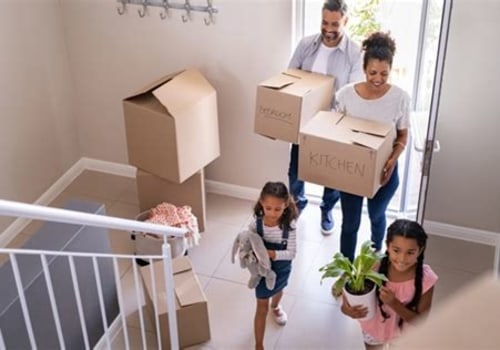
Moving to a new home is often a thrilling yet daunting experience, filled with a mix of excitement and anxiety. One of the most significant challenges that arises during this transition is packing. While every room in a house presents its own unique set of obstacles, some spaces are notoriously more difficult to pack than others. Understanding these complexities can help alleviate some of the stress associated with moving. When considering which room is the hardest to pack, it’s essential to recognize the emotional and logistical factors at play.
For many, the living room serves as the heart of the home, filled with cherished memories and valuable items. Packing up this space requires not only physical effort but also a careful approach to ensure that sentimental belongings are handled with care. Similarly, the kitchen, often bustling with activity, poses its own challenges due to the sheer volume of items, from fragile dishware to bulky appliances. Moreover, each room comes with its own set of packing challenges that can complicate the moving process. The bedroom, for instance, may seem straightforward at first glance, but it often contains a myriad of personal items that require thoughtful organization.
As we delve deeper into this topic, we will explore which room truly stands out as the hardest to pack and why understanding these difficulties can make your moving experience smoother and more manageable.
The Living Room: A Hub of Complexity
Packing the living room can often feel like a daunting task due to its diverse array of items. From bulky furniture to delicate electronics, each piece requires careful consideration to ensure a smooth transition to your new home.Understanding the Complexity
The living room typically serves as a central gathering space, filled with various items that reflect your personal style. This includes sofas, chairs, coffee tables, entertainment centers, and an assortment of decorative pieces. Each of these items presents unique challenges when it comes to packing.Packing Tips for Furniture
- Disassemble When Possible: Take apart larger furniture pieces like sofas and beds to save space and reduce the risk of damage during transport.
- Use Furniture Pads: Wrap furniture in moving blankets or pads to protect surfaces from scratches and dents.
- Label Everything: Clearly label each piece and its corresponding hardware to make reassembly easier at your new location.
Packing Electronics Safely
- Original Boxes: If you still have the original packaging for your electronics, use them.
They are designed to protect your devices during transit.
- Cord Management: Use zip ties or cable organizers to keep cords untangled and easy to find when unpacking.
- Protect Screens: For TVs and monitors, consider using screen protectors or bubble wrap to prevent cracks and scratches.
The Kitchen: A Packing Nightmare
Packing the kitchen can often feel like a daunting task, primarily due to the sheer number of fragile items and appliances that need careful handling.From delicate glassware to heavy kitchen gadgets, each item requires a specific approach to ensure safe transport.
Strategies for Packing Fragile Items
When it comes to packing fragile items such as dishes, glasses, and ceramics, consider the following tips:- Use sturdy boxes: Opt for high-quality moving boxes that can withstand the weight of your kitchen items.
- Wrap each item: Use bubble wrap or packing paper to wrap each fragile item individually. This extra layer of protection can prevent breakage during transit.
- Fill empty spaces: Use crumpled paper or packing peanuts to fill any gaps in the box. This will help prevent items from shifting and colliding with one another.
Packing Kitchen Appliances
Kitchen appliances can be bulky and heavy, making them challenging to pack. Here are some effective strategies:- Disassemble when possible: Take apart any removable parts of appliances, such as blades from food processors or detachable cords from mixers.
This not only saves space but also reduces the risk of damage.
- Use original boxes: If you still have the original packaging for your appliances, use them. They are designed to protect the item during transport.
- Secure cords and accessories: Bundle cords and small accessories together using zip ties or rubber bands to avoid tangling and loss.
Packing Food Storage
Packing food can be tricky, especially if you have perishable items. Here’s how to handle it:- Plan ahead: Before moving day, try to consume perishable items in your fridge and pantry. This will minimize what you need to pack.
- Seal containers tightly: For non-perishable food items, ensure that all containers are sealed tightly to prevent spills during the move.
- Label boxes clearly: Clearly label boxes containing food items so you can easily identify them upon arrival at your new home.
With careful planning and the right techniques, you can ensure that all your kitchen essentials arrive safely at your new home.
The Bedroom: Personal Items and Sentimental Value
Packing the bedroom can often be one of the most challenging aspects of moving, primarily due to the personal items and sentimental value attached to many belongings. From clothing to cherished keepsakes, each item can evoke memories that make the packing process emotionally taxing.To streamline your packing, consider the following bedroom packing tips:- Start Early: Begin packing your bedroom well in advance of your moving date. This will give you ample time to sort through items without feeling rushed.
- Sort and Declutter: Go through your belongings and categorize them into three groups: keep, donate, and discard. This will help reduce the number of items you need to pack.
- Organize Clothing: Use wardrobe boxes for hanging clothes to keep them wrinkle-free.
For folded items, consider using vacuum-sealed bags to save space.
- Label Boxes: Clearly label each box with its contents and the room it belongs to. This will make unpacking much easier.
- Create a Memory Box: Designate a special box for sentimental items that you want to keep close during the move. This can include letters, photos, or small mementos.
- Take Photos: If you’re struggling with parting from certain items, take photos of them before packing. This allows you to preserve the memory without needing to keep the physical object.
- Involve Family: If you have shared sentimental items with family members, discuss what should be kept or passed on.
This can help ease emotional attachments.
The Bathroom: Small but Challenging
Packing a bathroom can often feel like a daunting task, despite its small size. The challenge lies in the multitude of toiletries and small items that accumulate over time. From skincare products to medications, each item requires careful consideration to ensure nothing is left behind or damaged during the move.Bathroom Packing Tips
- Sort and Declutter: Before packing, take the time to go through your bathroom items.
Discard expired products, empty containers, and anything you no longer use. This will not only lighten your load but also make unpacking easier.
- Group Similar Items: Organize your toiletries into categories such as skincare, haircare, and dental products. This will help you pack more efficiently and find what you need quickly when you arrive at your new home.
- Use Small Containers: Consider using small bins or ziplock bags to group items together. This prevents spills and keeps everything organized.
For example, keep all makeup in one bag and hair tools in another.
Toiletries Organization
When it comes to packing toiletries, it’s essential to protect fragile items like glass bottles or jars. Wrap these in bubble wrap or clothing to prevent breakage. Additionally, for liquid products, ensure they are tightly sealed and consider placing them in a plastic bag to avoid leaks.Bathroom Essentials Moving
As you prepare for the move, create a moving essentials kit that includes all the necessary items you'll need immediately upon arrival at your new home. This kit should contain:- Toothbrush and toothpaste
- Shampoo and conditioner
- Soap or body wash
- Towels
- Any daily medications
By following these tips, packing your bathroom can become a more manageable task, allowing you to focus on settling into your new home.
The Garage: Tools and Equipment Dilemmas
Packing the garage can often feel like a daunting task, primarily due to the sheer variety of items it houses. From tools to outdoor equipment, each category presents its own unique challenges. To make this process smoother, consider the following tips for effective garage packing.Organizing Your Tools
Before you start packing, take some time to organize your tools. Group similar items together, such as hand tools, power tools, and gardening tools.This not only makes packing easier but also ensures that you can find everything quickly when you arrive at your new home.
- Hand Tools: Use a toolbox or a tool bag to keep smaller items together. For larger tools like hammers and wrenches, consider using a pegboard for easy access during the move.
- Power Tools: Ensure that all batteries are removed and stored separately. Use their original cases if available, or wrap them in bubble wrap to prevent damage.
Outdoor Equipment Moving
Outdoor equipment such as lawnmowers, bicycles, and grills can be particularly tricky to pack. Here are some strategies:- Lawn Equipment: Drain any fuel from lawnmowers and other gas-powered tools to avoid spills during transport.
Secure any loose parts with tape or in separate bags.
- Bicycles: If possible, disassemble bikes by removing the front wheel and pedals. Use bike boxes or padded blankets for protection during the move.
- Grills: Clean your grill thoroughly before moving. Disassemble any removable parts and pack them separately to prevent damage.
By taking the time to organize and pack your garage efficiently, you can alleviate much of the stress associated with moving this challenging space.
Comparative Analysis: Which Room is Truly the Hardest?
When evaluating the hardest room to pack during a move, several factors come into play, including item variety, fragility, and emotional attachment. Each room presents unique challenges that can significantly impact the packing process.Item Variety
The living room often tops the list due to its diverse range of items, from electronics to furniture. The presence of fragile items like glass decor and valuable electronics adds to the complexity. In contrast, the kitchen is another contender, filled with a mix of heavy cookware, delicate dishware, and various appliances that require careful handling.Fragility
When it comes to fragility, the bedroomWhile clothing is generally easy to pack, items like mirrors, picture frames, and sentimental keepsakes can be difficult to protect. The bathroomEmotional AttachmentThe nurseryPacking Difficulty RankingBased on these factors, a comparative analysis might rank the rooms as follows:
- Living Room: High item variety and fragility.
- Kitchen: Heavy items and fragile dishware.
- Bedroom: Emotional attachments and fragile decor.
- Nursery: High emotional value but less item variety.
Frequently Asked Questions About Packing Difficulties
When it comes to moving, many people have questions about the packing process and the challenges that come with it.Here are some of the most frequently asked questions regarding packing difficulties:
- What is the hardest room to pack?The kitchen is often considered the hardest room to pack due to its numerous fragile items, appliances, and various utensils. The combination of breakables and the need for organization makes it a challenging space.
- How can I pack efficiently?To pack efficiently, start by decluttering your belongings. Use quality packing materials, such as sturdy boxes and bubble wrap, to protect fragile items. Label each box clearly to make unpacking easier.
- What should I do with large furniture?Disassemble large furniture when possible.
Keep screws and small parts in labeled bags taped to the furniture itself. This will save time and prevent loss during the move.
- How do I pack fragile items?Wrap fragile items in bubble wrap or packing paper, and place them in boxes with plenty of cushioning material. Mark these boxes as "fragile" to ensure careful handling.
- Should I pack my clothes in boxes or suitcases?Use suitcases for clothing as they are designed for travel and can be easier to transport. For off-season clothes, consider using vacuum-sealed bags to save space.
Conclusion: Mastering the Art of Packing for Your Move
In conclusion, mastering the art of packing for your move requires a strategic approach tailored to the unique challenges presented by each room in your home.As we have explored, the hardest room to pack often varies from person to person, but common contenders include the kitchen, garage, and home office. Each of these spaces presents its own set of obstacles that can complicate the packing process.To effectively tackle these challenges, consider the following strategies:
- Plan Ahead: Start packing well in advance of your moving date. This allows you to take your time and reduces the stress associated with last-minute packing.
- Declutter: Before you begin packing, go through each room and eliminate items you no longer need. This not only lightens your load but also makes unpacking easier.
- Use Quality Packing Materials: Invest in sturdy boxes, bubble wrap, and packing tape.
Proper materials can protect your belongings and make the packing process smoother.
- Label Everything: Clearly label each box with its contents and the room it belongs to. This will save you time when unpacking and help you locate essential items quickly.
- Pack Room by Room: Focus on one room at a time to maintain organization and reduce overwhelm. This method allows you to see progress and stay motivated.