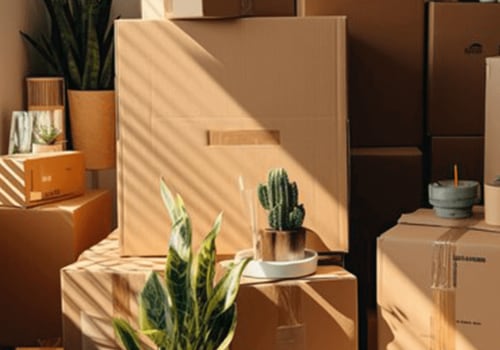
When planning a move, understanding moving costsmoving costs is essential for ensuring a smooth transition to your new home. Many individuals underestimate the various expenses involved, which can lead to financial strain and unexpected surprises. From hiring professional movers to purchasing packing supplies, the costs can quickly add up, making it crucial to have a comprehensive grasp of what these expenses entail.
What are moving costs
? They encompass a wide range of factors, including transportation fees, labor charges, and additional services such as packing and unpacking. Each of these elements contributes to the overall expense of your move, and being aware of them can help you budget effectively.Understanding moving expenses not only aids in financial planning but also allows you to make informed decisions about whether to hire professionals or tackle the move yourself. As we delve deeper into this topic, we will break down the various components of moving costs, providing you with valuable insights that can help you prepare for your upcoming relocation. By familiarizing yourself with these expenses early on, you can avoid common pitfalls and ensure that your move is as cost-effective and stress-free as possible.
Types of Moving Costs
When planning a move, understanding the types of moving costs is essential for effective budgeting. Moving expenses can be categorized into two main types: direct costs and indirect costs.Direct Costs
Direct costs are those that are directly associated with the moving process. These typically include:- Moving Company Fees: Charges for hiring professional movers, which may vary based on distance, weight of belongings, and additional services.
- Rental Truck Costs: If you choose to move yourself, consider the rental fees for trucks or vans, including fuel and mileage charges.
- Packing Supplies: Expenses for boxes, tape, bubble wrap, and other packing materials necessary to protect your items during transit.
- Insurance: Costs for insuring your belongings during the move, which can provide peace of mind against potential damage or loss.
Indirect Costs
Indirect costs are less obvious but can significantly impact your overall moving budget.These may include:
- Utility Setup Fees: Charges for setting up or transferring utilities such as electricity, water, and internet at your new location.
- Temporary Housing: If there’s a gap between moving out and moving in, you might incur costs for temporary accommodations.
- Travel Expenses: Costs associated with traveling to your new home, including gas, meals, and lodging if necessary.
- Time Off Work: Consider any lost wages if you need to take time off to manage the move.
Factors Influencing Moving Costs
When planning a move, understanding the factors influencing moving costs is crucial for accurate budgeting. Several key elements can significantly affect the overall expenses associated with your relocation.- Distance: The distance between your current home and your new location is one of the most significant factors. Generally, the longer the distance, the higher the cost due to increased fuel consumption and time required for transportation.
- Size of the Move: The volume and weight of your belongings play a critical role in determining moving costs.
Larger moves require more labor, packing materials, and truck space, which can lead to higher charges.
- Time of Year: The season in which you choose to move can also impact costs. Peak moving seasons, typically during summer months, often result in higher prices due to increased demand for moving services. Conversely, moving during off-peak times may yield better rates.
- Type of Move: Whether you are moving locally or long-distance can influence costs. Local moves are usually charged by the hour, while long-distance moves are often based on weight and distance.
- Additional Services: Optional services such as packing, unpacking, and storage can add to your overall expenses.
If you require these services, be sure to factor them into your budget.
Calculating Your Moving Costs Step-by-Step
Calculating your moving costs can seem daunting, but breaking it down into manageable steps can simplify the process. Here’s a step-by-step guide to help you estimate your moving expenses effectively.- Assess Your Moving Needs: Start by determining the size of your move. Are you relocating a studio apartment or a five-bedroom house? The volume of your belongings will significantly impact your costs.
- Choose Your Moving Method: Decide whether you will hire professional movers, rent a truck, or use a portable storage container. Each option has different cost implications.
For instance, hiring full-service movers will generally be more expensive than renting a truck.
- Get Quotes: If you opt for professional movers, obtain at least three quotes from different companies. Ensure that these quotes include all potential fees, such as fuel surcharges and packing materials.
- Calculate Additional Costs: Don’t forget to factor in other expenses that may arise during your move. This includes:
- Packing Supplies: Boxes, tape, bubble wrap, and other materials can add up quickly.
- Insurance: Consider purchasing moving insurance to protect your belongings during transit.
- Travel Expenses: If you’re moving long-distance, include costs for gas, food, and lodging along the way.
- Utility Setup Fees: Account for any deposits or connection fees for utilities at your new home.
Remember to keep track of all receipts and invoices related to your move for future reference or potential tax deductions.
Hidden Costs of Moving
When planning a move, many individuals focus primarily on the obvious expenses such as hiring movers, renting a truck, or purchasing packing supplies. However, there are several hidden costs of moving that can quickly add up and derail your budget if not accounted for.- Utility Deposits and Connection Fees: Before you can settle into your new home, you may need to pay deposits for utilities like electricity, water, and gas. Additionally, connection fees for internet and cable services can also contribute to unexpected expenses.
- Insurance Costs: While many people assume their belongings are covered during a move, this is often not the case. Consider purchasing additional moving insurance to protect your items from damage or loss during transit.
- Storage Fees: If your new home isn’t ready when you arrive, you might need to rent a storage unit.
These costs can accumulate quickly, especially if you require long-term storage solutions.
- Travel Expenses: If you're moving long-distance, don't forget to factor in travel costs such as gas, meals, and lodging along the way. These expenses can be significant and should be included in your overall moving budget.
- Cleaning Costs: Many leases require that you leave your old home in pristine condition. Hiring a cleaning service can be an added expense that is often overlooked.
By doing so, you can ensure a smoother transition and reduce financial stress during your move.
Tips for Reducing Moving Costs
Moving can be a costly endeavor, but with some strategic planning and smart choices, you can significantly reduce your moving expenses. Here are some practical tips to help you save money during your move:- Declutter Before You Move: Take the time to go through your belongings and get rid of items you no longer need. This not only reduces the volume of items to move but can also earn you some extra cash if you sell them.
- Compare Moving Companies: Don’t settle for the first moving company you find. Get quotes from multiple movers and compare their services and prices.
Look for reviews and recommendations to ensure you choose a reputable company.
- Consider Off-Peak Moving: If possible, schedule your move during off-peak times, such as weekdays or during the middle of the month. Rates are often lower during these times due to decreased demand.
- Use Free Packing Supplies: Instead of purchasing boxes and packing materials, look for free options. Local stores, grocery shops, and online marketplaces often have boxes available at no cost.
- Pack Yourself: While hiring professional packers can save time, it also adds to your costs. If you’re able, take on the packing yourself to save money.
- Rent a Truck: If you have a smaller load, consider renting a truck instead of hiring full-service movers.
This option can be significantly cheaper and gives you more control over your moving schedule.
- Ask for Help: Don’t hesitate to enlist friends and family to help with packing and moving. Offering pizza and drinks in return can be a budget-friendly way to get the assistance you need.
Frequently Asked Questions About Moving Costs
When planning a move, understanding the associated costs can be overwhelming. Here are some frequently asked questions that can help clarify how to calculate moving expenses.What factors influence moving costs?
Several factors can affect the total cost of your move, including:- Distance: The farther you move, the higher the transportation costs.
- Size of your move: More items require more time and resources to pack and transport.
- Time of year: Moving during peak seasons (like summer) can increase costs due to higher demand.
- Type of service: Full-service movers, self-service options, or DIY moves each have different pricing structures.
How can I estimate my moving costs?
To get a rough estimate of your moving costs, consider the following steps:- Inventory your belongings: Make a list of all items you plan to move.
This will help you gauge the size and weight of your shipment.
- Research moving companies: Get quotes from multiple movers. Most companies offer free estimates based on your inventory and distance.
- Factor in additional expenses: Don’t forget to include packing supplies, insurance, and any potential storage fees.
Are there hidden costs I should be aware of?
Yes, there are often hidden costs that can catch you off guard. Some common ones include:- Fuel surcharges: Some movers may add extra fees based on fuel prices.
- Tolls and parking fees: If your route includes tolls or if parking is limited at your new location, these costs can add up.
- Additional labor charges: If your move requires extra help for heavy items or stairs, be prepared for additional labor fees.
Conclusion: Final Thoughts on Calculating Moving Costs
In conclusion, accurately calculating moving costs is essential for a successful relocation. By understanding the various factors that contribute to your overall expenses, you can create a realistic budget that minimizes surprises on moving day. Throughout this article, we discussed several key components that should be considered when estimating your moving costs:- Distance: The distance between your current and new home significantly impacts transportation costs.
- Size of the Move: The volume of your belongings will determine the size of the moving truck and the number of trips required.
- Additional Services: Services such as packing, unpacking, and storage can add to your total expenses.
- Insurance: Protecting your belongings with insurance is a wise investment that can save you money in case of damage or loss.
Don’t hesitate to ask for a detailed breakdown of costs so you can identify any hidden fees that may arise. Finally, remember that careful planning and budgeting are your best allies in managing moving costs. By taking the time to assess your needs and research options, you can make informed decisions that will lead to a smoother transition to your new home. Whether you’re moving across town or across the country, being proactive about your finances will help you enjoy this exciting new chapter without unnecessary stress.