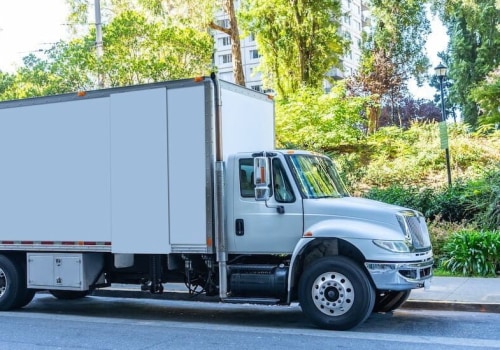
When considering a move between states, understanding the costs of moving is crucial for effective budgeting. Interstate relocations can vary significantly in price, influenced by factors such as distance, the volume of belongings, and the chosen method of transport. Whether you’re moving across the country or just to a neighboring state, being aware of these expenses can help you make informed decisions and avoid unexpected financial burdens. One of the primary components of moving expenses is the transportation cost. This includes not only the price of hiring a moving company but also fuel costs if you opt for a DIY approach.
Additionally, there are often hidden fees associated with moving services, such as packing materials, insurance, and even storage if your new home isn’t ready upon arrival. Understanding these elements can help you create a more accurate budget. To keep your move affordable, consider implementing some budget moving tips. For instance, decluttering your belongings before the move can significantly reduce costs by minimizing the weight and volume of items to be transported. Furthermore, planning your move during off-peak seasons can lead to lower rates from moving companies.
By taking these steps and being mindful of all potential expenses, you can navigate the complexities of interstate moving without breaking the bank.
DIY Moving: A Cost-Effective Approach
When it comes to moving between states, DIY moving can be a highly cost-effective approach. By taking charge of the entire process, you can significantly reduce expenses associated with hiring professional movers. However, it’s essential to plan meticulously to ensure a smooth transition.Benefits of DIY Moving
- Cost Savings: The most apparent advantage is the potential for substantial savings. You can avoid hefty labor costs and fees associated with moving companies.
- Control Over the Process: Managing your own move allows you to set your timeline and make decisions that suit your needs.
- Personal Touch: You can pack and organize your belongings in a way that feels right for you, ensuring that everything is handled with care.
Challenges of DIY Moving
- Physical Labor: Moving is physically demanding.
Be prepared for heavy lifting and long hours.
- Time-Consuming: Without professional help, the process can take longer than anticipated, especially if you have a lot of items to pack and transport.
- Logistical Issues: Coordinating transportation, securing rental trucks, and managing timelines can be challenging without experience.
Practical Tips for a Successful Self-Move
- Create a Moving Checklist: Outline all tasks from packing to loading and unloading. This will help keep you organized and on track.
- Gather Supplies: Collect boxes, packing tape, bubble wrap, and other materials ahead of time. Consider using free boxes from local stores or online marketplaces.
- Enlist Help: Recruit friends or family members to assist with packing and lifting. Offering pizza and drinks can be a great incentive!
- Rent a Truck: Compare prices from various rental companies to find the best deal.
Ensure the truck is appropriately sized for your belongings.
- Packing Strategically: Pack heavier items in smaller boxes and lighter items in larger boxes. Label each box clearly to make unpacking easier.
Hiring Professional Movers: Is It Worth It?
When considering a move between states, one of the most significant decisions is whether to hire professional movers. While the idea of a DIY move may seem appealing due to potential cost savings, there are several factors to weigh when deciding if hiring movers is worth the investment.Cost of Hiring Professional Movers
The cost of hiring movers can vary widely based on several factors, including distance, the volume of belongings, and additional services such as packing and unpacking.On average, long-distance moves can range from $2,000 to $5,000. While this may seem steep compared to renting a truck for a DIY move, it’s essential to consider what’s included in that price.
Benefits of Professional Movers
- Expertise and Experience: Professional movers have the training and experience to handle your belongings safely. They know how to pack items securely and navigate tricky logistics.
- Time-Saving: Moving is time-consuming. Hiring professionals can significantly reduce the time spent on packing, loading, and transporting your items.
- Insurance and Liability: Most moving companies offer insurance options that protect your belongings during transit.
This peace of mind can be invaluable.
- Less Physical Strain: Moving heavy furniture and boxes can lead to injuries. Professionals are equipped to handle the physical demands of moving.
When DIY Might Be Better
However, there are scenarios where a DIY move could be more cost-effective:- If you have a small number of items or are moving locally, renting a truck might be sufficient.
- If you have friends or family willing to help, you can save on labor costs.
- If you’re on a tight budget and can manage the logistics yourself, a DIY move may be the best option.
Using Moving Containers: A Flexible Solution
When considering the cheapest way to move between states, using moving containers has emerged as a popular and flexible solution. These portable storage units offer a unique blend of affordability and convenience, making them an attractive option for many individuals and families.Moving containers
are essentially large, weather-resistant boxes that can be delivered to your current location.You can load them at your own pace, which eliminates the pressure of a tight moving schedule. Once you’re ready, the container company will pick it up and transport it to your new home, or you can keep it at their facility until you’re ready to unload.
Cost-Effectiveness of Moving Containers
The cost of using moving containers can vary based on several factors, including distance, size of the container, and duration of rental. However, they often prove to be more economical than traditional moving services. Here are some reasons why:- No hidden fees: Many moving container companies provide transparent pricing with no surprise charges.
- Flexible rental periods: You can rent a container for as long as you need, which can save money if you require extra time for packing or unpacking.
- Reduced labor costs: Since you pack and load the container yourself, you can avoid hiring expensive movers.
Portable Storage Solutions
In addition to being a cost-effective option for moving, portable storage solutions like moving containers offer several other benefits:- Convenience: You can load your belongings at your own pace without the rush associated with traditional moving trucks.
- Safety: Containers are designed to protect your items from weather conditions and theft during transit.
- Versatility: They can be used for various purposes beyond moving, such as temporary storage during renovations or decluttering.
Not only do they provide flexibility and convenience, but they also help keep your moving costs down while ensuring your belongings are safe and secure throughout the process.
Budget-Friendly Packing Tips to Save Money
When it comes to moving between states, packing efficiently can significantly reduce your overall costs. Here are some budget-friendly packing tips to help you save money on packing supplies and labor.- Use What You Have: Before purchasing any packing materials, look around your home for items you can repurpose. Old blankets, towels, and clothing can serve as excellent cushioning for fragile items.
- Collect Free Boxes: Instead of buying boxes, check local grocery stores, liquor stores, or bookstores for free boxes. Many businesses are happy to give away their used boxes rather than recycling them.
- Buy in Bulk: If you do need to purchase packing supplies, consider buying in bulk.
Items like bubble wrap, packing tape, and boxes are often cheaper when bought in larger quantities.
- DIY Packing Materials: Get creative with your packing materials. Use newspapers or magazines as filler instead of expensive bubble wrap. You can also use plastic bags or even old suitcases to pack smaller items.
- Label Everything: To avoid confusion and potential damage during the move, label your boxes clearly. This will save you time and effort when unpacking and help prevent any mishaps that could lead to replacing lost or damaged items.
- Enlist Friends and Family: Instead of hiring professional packers, ask friends or family for help.
Not only will this save you money, but it can also make the process more enjoyable.
Timing Your Move: When to Move for the Best Rates
When planning a move, timing can significantly impact your overall costs. Understanding the best time to move can help you save money and reduce stress during the relocation process.Seasonal Moving Rates
Moving companies often experience peak seasons, which typically occur during the summer months. From May to September, demand for moving services skyrockets, leading to higher rates.If you can avoid moving during these months, you may find more affordable options. Conversely, the winter months, particularly from December to February, are generally considered off-peak times. During this period, moving companies may offer significant discounts to attract customers.
Off-Peak Moving Times
In addition to seasonal considerations, specific days of the week and times of the month can also affect pricing. For instance:- Weekdays: Moving on a Monday through Thursday is often cheaper than weekends when most people prefer to relocate.
- Mid-Month: The beginning and end of the month are popular times for leases to start or end, making these periods busier and more expensive.
Scheduling your move for the middle of the month can yield better rates.
- Holidays: Avoiding major holidays can also help you save money, as many people choose these times for their moves.
Exploring Alternative Transportation Options
When planning an interstate move, exploring alternative transportation options can significantly reduce costs. While many people consider hiring professional movers, there are several other methods that can be both economical and efficient.Rental Trucks vs.
TrailersOne of the most common choices for moving between states is renting a truck or a trailer. Here’s a breakdown of the two:
- Rental Trucks: These are ideal for larger moves where you have a significant amount of furniture and belongings. Companies like U-Haul and Penske offer various sizes, allowing you to choose one that fits your needs. While rental trucks can be more expensive than trailers, they provide the convenience of driving everything in one trip.
- Trailers: If you have a vehicle capable of towing, renting a trailer can be a cheaper option.
Trailers are generally less expensive than trucks and can be towed by your own vehicle, saving on fuel costs. However, this option requires careful packing and loading to ensure safety on the road.
Alternative Transport Methods
In addition to trucks and trailers, consider these alternative transport methods:- Shipping Containers: Companies like PODS allow you to load your belongings into a container that they transport to your new location. This method offers flexibility in loading time and can be cost-effective for long-distance moves.
- Freight Shipping: For smaller loads, freight shipping services can be an economical choice. You can pack your items into crates or pallets, and the shipping company will handle the transport.
This option is particularly useful for businesses or individuals with fewer items.
- Bus or Train Shipping: Some bus and train services offer shipping options for personal belongings. This method is often overlooked but can be a budget-friendly way to move smaller items across states.
Financial Assistance and Discounts for Moving Costs
When planning a move between states, the financial burden can be significant. Fortunately, there are various financial assistance programs and discounts available that can help ease the costs associated with relocation.Many states offer moving assistance programs aimed at helping residents who are relocating for employment or educational opportunities.These programs may provide grants or low-interest loans to cover moving expenses. To find out if you qualify, check with your local government or community organizations that focus on economic development.In addition to state programs, consider the following options:
- Employer Relocation Assistance: If you are moving for a job, inquire whether your employer offers any relocation benefits. Many companies provide financial support to cover moving costs, temporary housing, or even a lump sum payment.
- Nonprofit Organizations: Some nonprofits assist individuals and families in need by providing financial aid for moving expenses. Research local charities or organizations that focus on housing and community support.
- Discounts for Movers: Many moving companies offer discounts during off-peak seasons or for military personnel.
Always ask about available promotions or special rates that could reduce your overall moving costs.
- Tax Deductions: Depending on your situation, you may be eligible for tax deductions related to your move. Keep receipts and consult a tax professional to understand what expenses can be deducted.
Frequently Asked Questions About Cheap Interstate Moving
When planning a move between states, many people have questions about how to do it affordably. Here are some frequently asked questions that can help you navigate the process of cheap interstate moving.What is the cheapest way to move between states?
The cheapest way to move between states often involves a combination of methods.Consider renting a moving truck and driving it yourself, which can save on labor costs. Alternatively, using a portable storage container can be economical, as it allows you to pack at your own pace and only pay for the transport.
How can I save money on moving supplies?
To cut costs on moving supplies, try the following:- Reuse boxes: Ask local businesses for their used boxes or check online marketplaces.
- DIY packing materials: Use blankets, towels, and clothing to protect fragile items instead of buying bubble wrap.
- Buy in bulk: Purchase packing tape and other supplies in bulk to reduce costs.
Are there any hidden costs I should be aware of?
Yes, when budgeting for your move, consider these potential hidden costs:- Fuel expenses: If you're renting a truck, factor in fuel costs based on the distance you'll travel.
- Tolls and parking fees: Research any toll roads along your route and potential parking fees at your destination.
- Insurance: Check if you need additional insurance for your belongings during transit.
What tips can help me move cheaply?
Here are some practical tips for a budget-friendly move:- Plan ahead: The earlier you start planning your move, the more options you'll have to save money.
- Purge unnecessary items: Sell or donate items you no longer need to reduce the volume of what you have to move.
- Compare quotes: Get estimates from multiple moving companies or truck rental services to find the best deal.
Conclusion: Key Takeaways for Affordable Interstate Moving
In conclusion, moving between states on a budget is entirely feasible with the right strategies and planning. Here are the key takeaways to keep in mind:- Plan Ahead: Start your moving preparations well in advance. This allows you to compare prices, book services early, and avoid last-minute expenses.
- Declutter: Before packing, take the time to sort through your belongings.
Selling or donating items you no longer need can significantly reduce moving costs and make your new space feel more organized.
- Choose the Right Moving Method: Depending on your budget and the amount of belongings, consider options like renting a truck, using a portable storage container, or hiring a budget-friendly moving company. Each method has its pros and cons, so evaluate what works best for your situation.
- Utilize Discounts: Look for discounts or promotions offered by moving companies. Many provide seasonal deals or special rates for certain days of the week.
- Get Multiple Quotes: Always obtain quotes from several moving companies. This not only helps you find the best price but also gives you a sense of the services offered.
- Consider Off-Peak Moving: If possible, schedule your move during off-peak times.
Moving during weekdays or in the middle of the month can often lead to lower rates.